
Why Dubai Real Estate Continues to Attract Global Investors
Dubai real estate continues to attract global investors not because of short-term market movements, but because the city has positioned itself as a long-term global destination for capital, talent, and businesses. While many international property markets struggle with slowing population growth, heavy taxation, and regulatory uncertainty, Dubai offers a rare combination of economic momentum, demographic expansion, investor-friendly policy, and long-term planning.
For global investors, Dubai is no longer an “emerging opportunity.” It is a strategic allocation—a market that provides exposure to growth, stability, and diversification at the same time. Understanding why international capital continues to flow into Dubai requires looking beyond construction numbers and focusing on the deeper forces shaping demand.

Dubai’s Transformation Into a Global Capital Magnet
Dubai’s appeal to global investors is the result of a deliberate, long-term transformation. Two decades ago, Dubai was primarily a regional commercial hub with limited foreign ownership options and a relatively small international investor base. Real estate development was ambitious, but the market structure was still evolving.
Over time, Dubai introduced freehold ownership for foreigners, strengthened property laws, implemented escrow account requirements, and built a transparent registration system. Each real estate cycle led to more regulation, not less, reinforcing investor confidence rather than undermining it.
Today, Dubai operates one of the most structured and regulated real estate markets in the region. This institutional maturity is a key reason why global investors—from private individuals to family offices—view Dubai as a credible long-term market rather than a speculative frontier.
Global Capital Flows Toward Stability and Growth
International investors are increasingly selective about where they allocate capital. In many traditional markets, rising taxes, aging populations, and restrictive regulations are compressing real estate returns. Dubai, by contrast, offers a growth-oriented environment supported by policy consistency and economic expansion.
Dubai’s real estate market benefits from:
political and regulatory stability,
strong protection of property rights,
transparent transaction processes,
and a government that actively supports foreign investment.
For global investors seeking diversification away from heavily taxed or slow-growth markets, Dubai provides exposure to a fast-growing economy without the typical emerging-market risks.
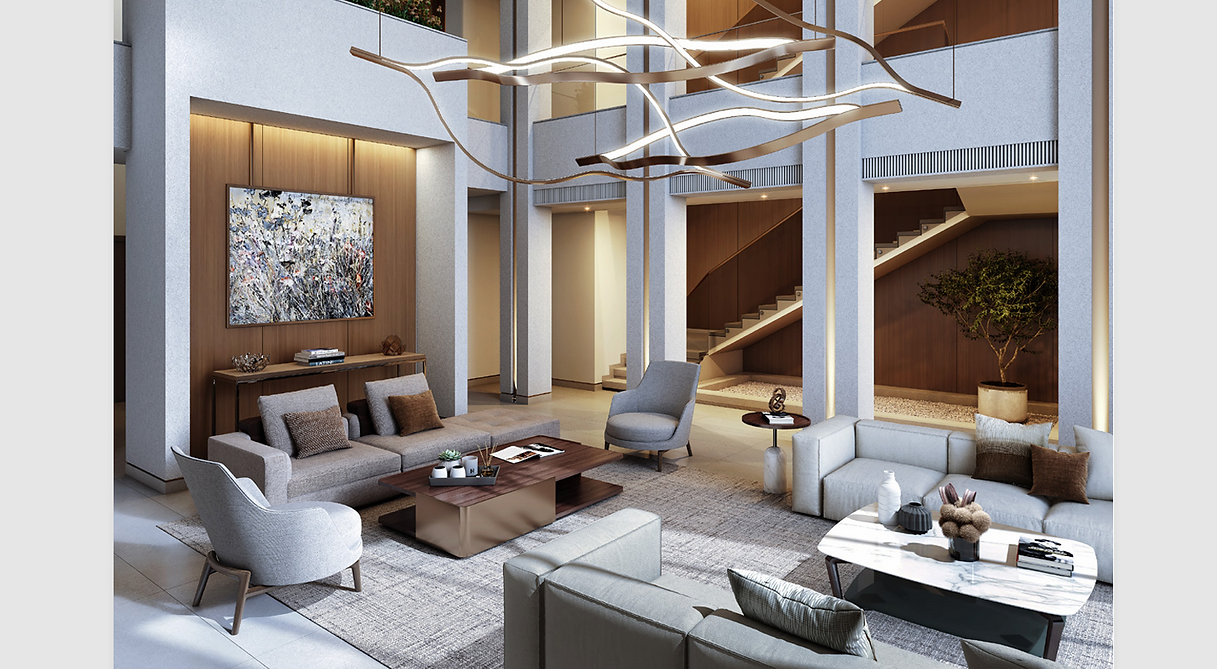

+971 50 4784367 - Starting From $200,000
20% Down Payment | 1% Monthly Installments
Expected ROI: 8-10%
Population Growth That Sustains Long-Term Demand
One of the most compelling reasons global investors continue to choose Dubai is its sustained population growth. Dubai’s population has increased from under one million in the early 2000s to over 4 million residents today, with growth accelerating in recent years.
What makes Dubai unique is not just the speed of population growth, but its composition. Dubai attracts skilled professionals, entrepreneurs, business owners, and families who relocate with long-term intentions. As a result, housing demand is not transient—it is durable and cumulative.
As residents stay longer, household formation increases, and demand shifts from short-term rentals to ownership. This transition creates continuous demand across rental and sales markets, reinforcing long-term real estate fundamentals.
Job Creation and Economic Diversification Drive Housing Demand
Dubai’s real estate demand is deeply connected to its economic strategy. The city has diversified well beyond tourism and trade into sectors such as technology, finance, logistics, healthcare, education, artificial intelligence, and the creative economy.
The Dubai Economic Agenda (D33), which aims to double the size of Dubai’s economy by 2033, signals continued job creation and global business expansion. Each new industry brings not only direct employment, but also supporting industries, services, and infrastructure.
This job-led growth ensures that housing demand remains structural rather than cyclical, a critical distinction for long-term investors.

Supply Growth Is Managed, Demand Is Structural
While Dubai continues to deliver new residential supply, it does so within a framework of long-term planning and phased development. Housing is not released indiscriminately; it is aligned with infrastructure readiness, employment zones, and population projections.
Importantly, not all supply is interchangeable. Demand consistently concentrates in:
well-connected locations,
integrated master-planned communities,
modern developments aligned with lifestyle preferences.
This is why certain projects sell rapidly at launch while others move more slowly. In recent years, projects launched by major developers such as DAMAC have often demonstrated strong absorption, with significant portions of inventory allocated on launch day or during early access phases.
Such behavior is inconsistent with an oversupplied market and reflects front-loaded global demand.
Early Access and Off-Plan Opportunities Attract Global Capital
Dubai’s off-plan market plays a central role in attracting international investors. Off-plan projects allow investors to enter at early-stage pricing, benefit from capital appreciation during construction, and leverage flexible payment plans.
Global investors value this structure because it:
reduces upfront capital requirements,
improves return on invested capital,
allows strategic entry below future market value.
In strong market cycles, off-plan investors have historically achieved 20%–40% appreciation between launch and handover, depending on location and timing. This early-mover advantage continues to draw international capital into Dubai’s development pipeline.
+971 50 4784367 - Starting From $790,000
20% Down Payment | 1% Monthly Installments
Expected ROI: 8%
Rental Yields That Compete Globally
Compared to many global cities, Dubai continues to offer attractive rental yields. In well-located developments, gross rental yields commonly range between 6% and 9%, supported by strong tenant demand and population growth.
For global investors facing compressed yields in mature markets, Dubai offers an appealing balance of income and appreciation. Newer developments, in particular, lease quickly due to modern design, amenities, and energy efficiency.
Tax Efficiency Enhances Net Returns
Dubai’s tax environment is one of the most decisive factors for global investors. The absence of personal income tax on rental income, capital gains tax, and annual property tax allows investors to retain a larger share of returns.
Over time, this tax efficiency compounds, making Dubai especially attractive for long-term holding strategies compared to heavily taxed jurisdictions.
Long-Term Vision Reinforces Investor Confidence
Dubai’s appeal is reinforced by long-term urban planning, including the Dubai 2040 Urban Master Plan. This vision assumes continued population growth, infrastructure expansion, and improvements in quality of life.
For global investors, this signals continuity and intent. Dubai is not reacting to growth—it is planning for it.
Why Global Investors Keep Coming Back
Global investors continue to return to Dubai real estate because the market consistently delivers:
population-driven demand,
economic expansion,
regulatory clarity,
tax efficiency,
and long-term vision.
Dubai is no longer a market investors “test.” It is a market they scale into.
Final Perspective
Dubai real estate continues to attract global investors because it sits at the intersection of growth and stability. Few cities offer a comparable combination of demographic expansion, economic diversification, investor-friendly regulation, and long-term planning.
For international investors seeking a market that aligns with the future rather than the past, Dubai real estate remains one of the most compelling global destinations for capital allocation.
Author: Ozlem Ucar - Senior Off-plan Specialist

+971 50 4784367
Full Sea View Luxury Apartments Starting From $816,800
20% Down Payment | 1% Monthly Installments
Expected ROI: 8%
