
What Is Pre-Launch Property in Dubai Real Estate and Why It Matters for Investors
Pre-launch property in Dubai refers to a development phase that takes place before a project is officially released for public booking. During this period, the developer announces the concept, master plan, payment structure, and estimated starting prices, but detailed unit inventory is often not fully disclosed yet. For many international investors, this stage may feel early or uncertain. In Dubai, however, pre-launch participation is not unusual — it is a strategic entry point in a competitive off-plan market.
Understanding how pre-launch works is essential because Dubai’s real estate environment moves quickly. The strongest units in high-demand projects are rarely available for long once public sales begin. Investors who position themselves early typically gain better selection power, while those who wait for full public release often choose from remaining stock rather than from the full inventory pool.

Understanding the Pre-Launch Phase
The pre-launch stage occurs before official booking opens. At this point:
• The project concept is revealed
• Location and community details are introduced
• Payment plan structure is shared
• Starting prices may be indicated
• Marketing momentum begins building
However, full unit numbers, stack details, and complete availability lists are often not released publicly yet.
In high-demand launches, developers collect Expressions of Interest (EOIs) during this stage. An EOI is not a final purchase agreement. It is an early indication of serious buying intent that allows developers to organize demand before opening official booking.
Pre-launch is essentially the positioning phase before the competitive allocation process begins.
Why Unit Information May Not Be Fully Available
One of the most common concerns investors have is this: “Why would I submit interest before knowing the exact unit number?”
In Dubai’s hot off-plan market, this structure exists because demand often builds rapidly — especially in waterfront, lagoon-facing, branded, or limited-supply projects. If developers released full inventory immediately without managing demand, launch day could become chaotic, with hundreds of buyers competing simultaneously for the same limited premium units.
To prevent this, developers first collect EOIs to:
• Measure real demand
• Filter serious buyers from casual inquiries
• Structure allocation priority
• Release inventory in an organized manner
During this stage, buyers usually indicate preferences rather than selecting a confirmed unit. Preferences may include:
• Unit type (studio, 1-bedroom, 2-bedroom)
• Floor range (high floor preference)
• View direction (lagoon, skyline, park)
• Layout type
Final unit confirmation happens once official booking opens.
This system is not a red flag. It is how competitive launches are structured in strong markets.
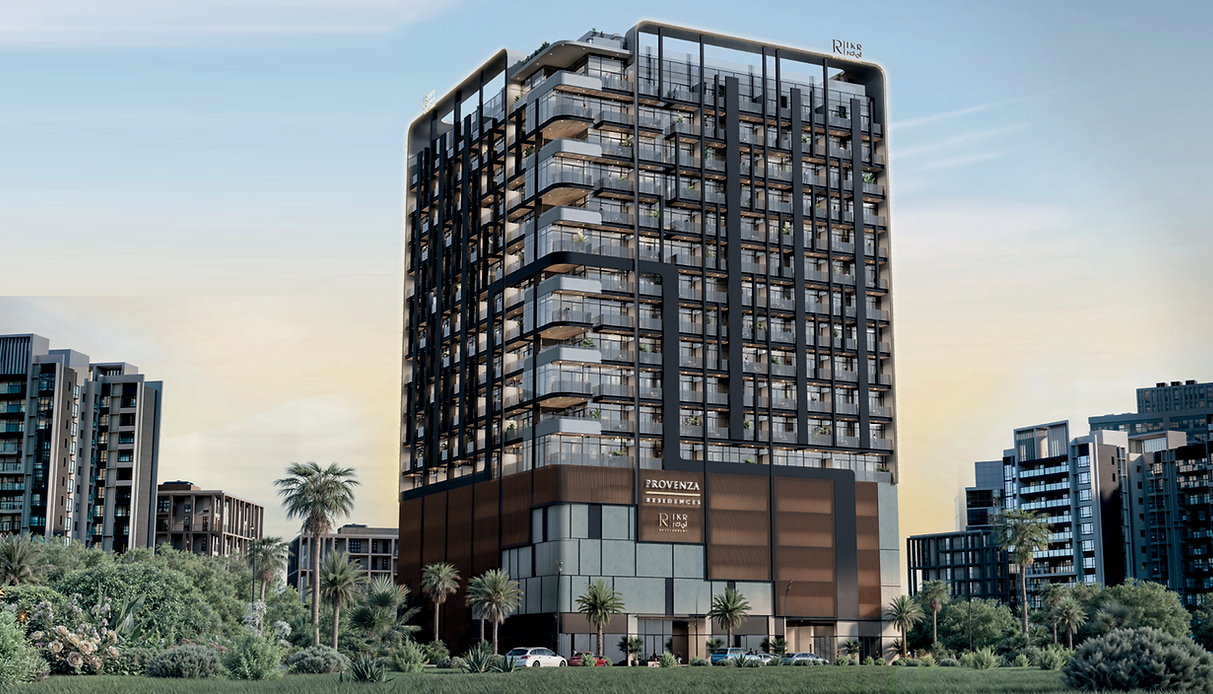

+971 50 4784367 - Starting From $200,000
20% Down Payment | 1% Monthly Installments
Expected ROI: 8-10%
Why Pre-Launch Matters in Dubai’s Competitive Environment
Dubai operates as a global investment hub. Demand comes from local residents, regional buyers, and international investors simultaneously. When a reputable developer announces a project in a desirable community, interest builds before public release.
Here is the key reality: every buyer wants the best unit.
No investor prefers a low floor if a high floor is available at similar pricing.
No buyer chooses a blocked view if an open lagoon view exists.
No one aims for the least efficient layout if better ones are available.
Premium characteristics are limited by nature. In a tower with 300 units, perhaps only 60 face the lagoon directly. Among those, only a portion are positioned on higher floors. Among those, only some are corner layouts.
When demand concentrates on these premium stacks, they are allocated first.
Pre-launch participation increases the probability of accessing those units before they are fully absorbed.

The Difference Between Early Positioning and Late Entry
Projects in Dubai rarely sell out completely in minutes. What usually disappears first are the strongest units — the ones with superior views, higher floors, and better orientations.
Buyers who wait for full public release may still find availability. However, they often discover that:
• Lagoon-facing units are limited or gone
• High-floor options are reduced
• Corner stacks are allocated
• Most efficient layouts are no longer available
The project remains available — but selection quality narrows.
In real estate, especially in a competitive city like Dubai, selection quality directly impacts long-term performance.
Is Pre-Launch Risky?
In Dubai’s regulated framework, pre-launch participation is structured and secure when dealing with registered developers.
Dubai requires:
• Escrow accounts for off-plan projects
• Developer registration and approval
• Dubai Land Department oversight
• Transparent booking documentation
EOI funds are submitted directly to the developer’s official account. Brokers facilitate the process but do not hold buyer funds.
EOI is not a binding ownership contract. It secures allocation priority. If a unit offered during allocation does not meet expectations, buyers typically have the option not to proceed.
Serious investors approach pre-launch analytically. They evaluate:
• Developer delivery history
• Community fundamentals
• Comparable price per square foot
• Payment plan competitiveness
• Long-term growth drivers
Pre-launch participation is not blind commitment — it is calculated positioning.
+971 50 4784367 - Starting From $790,000
20% Down Payment | 1% Monthly Installments
Expected ROI: 8%
How Pre-Launch Influences Long-Term Investment Performance
Two apartments in the same building can have different long-term outcomes based solely on:
• Floor level
• View exposure
• Stack orientation
• Layout efficiency
At launch, price differences between premium and standard units may be modest. Over time, however, rental demand and resale premiums often favor the stronger positions.
High-floor best view units typically:
• Attract stronger tenant interest
• Command higher rental premiums
• Maintain higher resale liquidity
• Experience more consistent appreciation
Pre-launch positioning increases the likelihood of securing those premium characteristics.
Who Should Consider Pre-Launch Investment?
Pre-launch strategy is particularly relevant for:
• Investors targeting premium floors and views
• Buyers focused on long-term capital appreciation
• Investors entering high-demand waterfront or branded communities
• Buyers who understand structured allocation systems
It may be less critical in slower-moving projects with abundant inventory. However, in competitive launches, skipping pre-launch often means sacrificing selection power.
Author: Ozlem Ucar - Senior Off-plan Specialist

+971 50 4784367
Full Sea View Luxury Apartments Starting From $816,800
20% Down Payment | 1% Monthly Installments
Expected ROI: 8%
