
Dubai Real Estate Analysis 2025-2026
Dubai closed 2025 as one of the world’s most active and investable real estate markets, supported by record transaction activity, strong capital inflows, and a developer ecosystem that consistently launches product across luxury and affordable segments. The momentum continued into 2026 with a strong start, reinforcing Dubai’s position as a global capital for property investment.
2025 in Numbers: Record Activity and Market Depth
Dubai’s Land Department–reported figures show 2025 was a record year: total real estate transaction value reached AED 919bn, with 275,442 total transactions, and property sales of AED 682.49bn from 214,912 sales deals.
This scale matters for investors because it signals liquidity (easy entry/exit), wide buyer demand, and a market that can absorb large volumes across multiple price bands.
Capital Appreciation: Solid Growth, Led by Quality Segments
Dubai’s residential price performance remained strongly positive through year-end 2025. REIDIN’s Residential Market Sales Price Index was up +12.88% year-on-year as of December 2025, with villas outperforming apartments (villas +15.16% YoY, apartments +12.52% YoY).
In practical terms, this is the kind of appreciation investors look for: broad market growth, with higher upside in scarcity-driven villa communities, premium waterfront addresses, and well-branded products.

Rental Yield + Cashflow: Dubai Still Competes Globally
Dubai continues to rank among global leaders for investment yields. A SmartCrowd/REIDIN-based study notes Dubai’s gross rental yields touching 10%, while net yields shifted from ~6.7% to ~6.3% since late 2024—still well above many global gateway cities.
Importantly for ROI-maximization strategies, the same report highlights studio demand strength, with new studio leases signed at rates ~14.3% higher (YoY) in 2025, reinforcing why studios often remain the “high-liquidity” rental product in Dubai.

+971 50 4784367 - Starting From $200,000
20% Down Payment | 1% Monthly Installments
Expected ROI: 8-10%
2026 Starts Strong
Dubai began 2026 with powerful momentum: January 2026 real estate transactions reached AED 111bn, according to statements attributed to the Dubai Land Department leadership.
Top Developers Driving Dubai in 2025–2026
Emaar: Market Leader + Liquidity Builder
Emaar led 2025 by sales value, with AED 65.8bn in sales (DXB Interact data cited in Khaleej Times).
Operationally, Emaar’s scale is a major market stabilizer: it had 51,032 homes under construction, delivered 27 projects and 7,318 units in 2025, and launched 54 projects.
From a financial-performance lens, Emaar Development reported AED 52.9bn property sales in the first 9 months of 2025, with revenue backlog AED 120.4bn—important because backlog signals future delivery strength and buyer confidence.
Project ecosystems investors track: Downtown Dubai, Dubai Hills Estate, Dubai Creek Harbour, Emaar Beachfront, Emaar South, The Valley, Rashid Yachts & Marina (all referenced within Emaar’s own masterplan portfolio).
DAMAC: High-Visibility Lifestyle Projects + Investor Volume
DAMAC ranked among the top developers by sales value in 2025 at AED 35.9bn.
It also ranked among the top by total deal volume, recording 15,393 deals (behind Binghatti, ahead of many others).
In the sub-AED 2M “affordable” bracket, DAMAC delivered AED 8.4bn in sales from 6,828 transactions, showing demand depth in entry and mid-market investor tickets.
Project ecosystems investors track: DAMAC Hills, DAMAC Lagoons, and branded/lifestyle-led towers and communities that tend to perform well for rental demand (especially for smaller unit sizes).

Binghatti: Volume Champion + Strong Sales Value
Binghatti became Dubai’s top developer by overall sales volume with 17,061 deals in 2025, and ranked #3 by sales value at AED 26.0bn.
In the under-AED 2M segment, Binghatti led again with AED 16.2bn from 14,627 transactions, clearly showing why investors targeting yield and exit liquidity watch Binghatti closely.
Project ecosystems investors track: Business Bay and canal-facing zones, plus brand collaborations that attract global attention and premium pricing.
Nakheel: Luxury Segment Leader + Waterfront Scarcity
Nakheel topped the AED 15M+ luxury bracket, with AED 16.9bn from 672 luxury transactions in 2025.
That’s a direct signal of where ultra-high-net-worth buyers are concentrating: waterfront scarcity + iconic masterplanning.
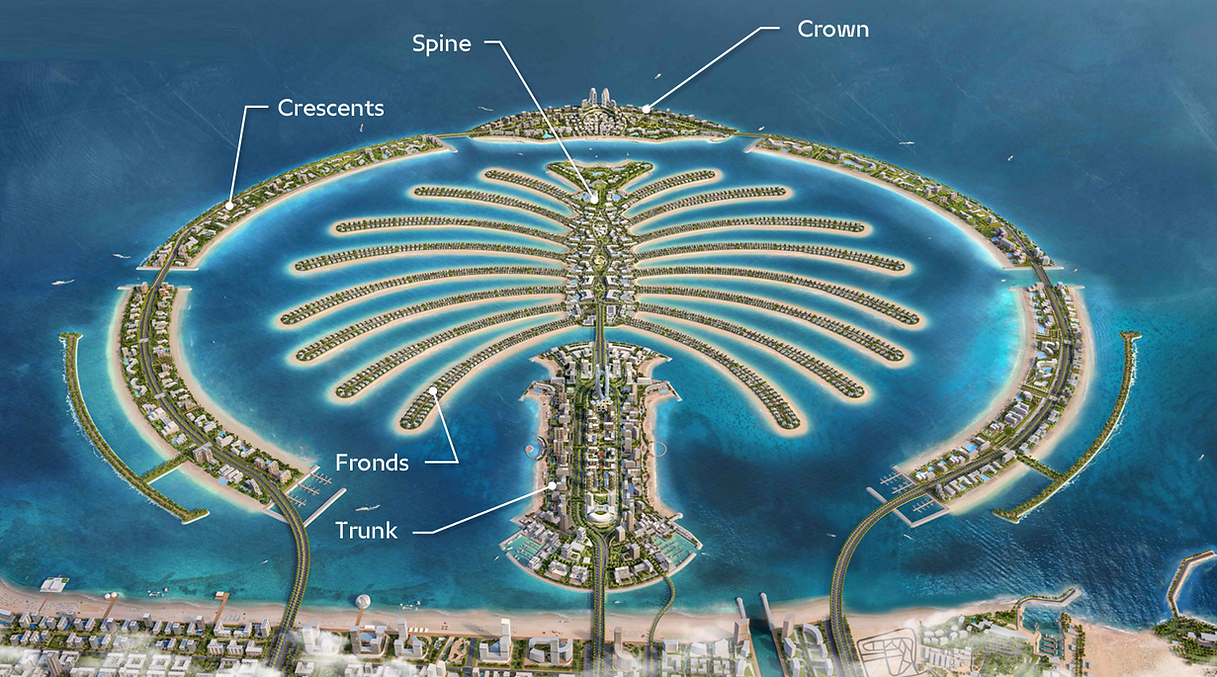
Project ecosystems investors track: Palm Jebel Ali, Dubai Islands, and other waterfront-led expansions that pull demand from trophy-asset buyers and lifestyle investors.
+971 50 4784367 - Starting From $790,000
20% Down Payment | 1% Monthly Installments
Expected ROI: 8%
Sobha: High-Quality End-User Demand + Big Sales Year
Sobha Realty announced it concluded FY 2025 with AED 30bn in sales, marking 30% growth over 2024.
This is particularly meaningful because Sobha’s positioning is quality-led—often translating into strong end-user demand, good resale resilience, and a stable tenant profile.
Project ecosystems investors track: Sobha Hartland / Hartland 2 and other MBR City-connected residential products, frequently viewed as “quality-first” holdings.
Dubai Properties: Community-Scale Demand Drivers
Dubai Properties (Dubai Holding) is known for large, livable communities and long-term resident demand, with signature areas including JBR, Mudon, Villanova, Serena, Remraam, and Business Bay-linked community development.
Investor takeaway: Dubai Properties often aligns well with family rental demand, longer tenancies, and steady cashflow, especially when purchased at strong entry prices.
Danube: Affordable, Amenity-Heavy Product for Yield Investors
Danube appeared among 2025’s top developers with AED 6.8bn in sales value (as reported via DXB Interact data in industry coverage).
Danube’s model—amenity-heavy, payment-plan friendly, and affordability-positioned—continues to attract investors who prioritize entry price + rental demand.
Investor Outlook for 2026: Positive, Strong Fundamentals
Dubai is moving into 2026 with clear strengths: record 2025 liquidity, healthy price growth, and yield levels that remain globally competitive. On the pricing side, reputable market commentary also points to continued but more measured appreciation in 2026 (i.e., a maturing cycle rather than a weak one).
For investors, that’s a high-quality setup: less “hype spikes,” more sustainable returns, and strong performance concentrated in the best fundamentals—prime locations, waterfront scarcity, and developers with consistent delivery records.
Author: Ozlem Ucar - Senior Off-plan Specialist
